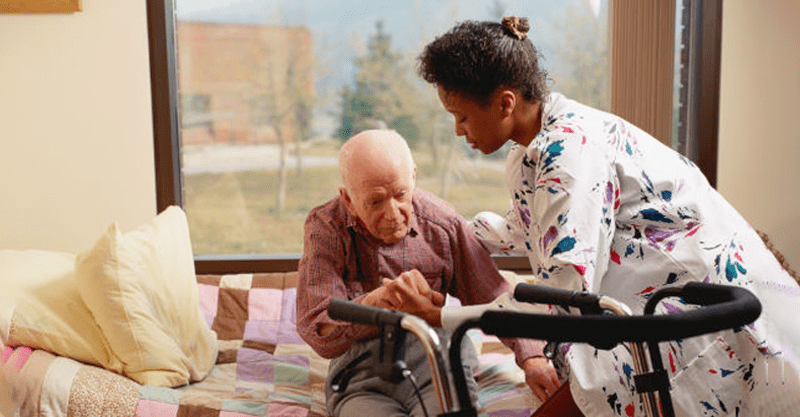
As people grow older or experience changes in their health, everyday activities can sometimes become more challenging. Families may want to provide all the support their loved ones need, but balancing care giving with work, family responsibilities, and daily life can be difficult.
This is where professional home care can make a meaningful difference.
Professional care combines practical assistance with compassion, respect, and personalized support. Depending on the individual’s needs and the provider’s services, home care can include help with daily activities, personal care, companionship, household tasks, and skilled healthcare delivered by qualified professionals.
The goal is to help individuals remain comfortable and supported in the place they know best—their own home.
What Is Professional Home Care?
Professional home care refers to services provided in a person’s home to support daily living, well-being, recovery, or healthcare needs.
Non-medical home care may include assistance with:
- Personal hygiene and grooming
- Bathing and dressing
- Meal preparation
- Light housekeeping
- Laundry
- Grocery shopping and errands
- Mobility assistance
- Companionship
- Transportation or accompaniment
- Daily routines
- Respite support for family caregivers
Home health care is generally focused on skilled healthcare services, such as nursing or rehabilitation, provided by appropriately qualified professionals. The exact services available vary by provider and individual care needs.
Why Professional Care Matters
Professional caregivers can provide consistent support while helping individuals maintain familiar routines.
For seniors, remaining at home can offer comfort and a sense of independence. A professional caregiver can assist with activities that have become difficult without unnecessarily taking away the individual’s ability to make their own choices.
Professional care can also provide families with reassurance that their loved one has additional support when family members cannot always be present.
Personalized Care for Every Individual
Every person has different needs.
One senior may only require help with shopping and household tasks, while another may need regular assistance with personal care and mobility. Someone recovering from surgery may require temporary support that changes as recovery progresses.
A personalized care plan can consider:
- Health and mobility
- Daily routines
- Personal preferences
- Nutrition
- Personal-care needs
- Social interests
- Family involvement
- Recovery goals
- Long-term support requirements
Personalized care helps ensure that assistance is focused on the individual rather than a one-size-fits-all routine.
Supporting Independence and Dignity
Professional care should not mean giving up independence.
Whenever it is safe and appropriate, individuals should be encouraged to participate in their daily activities and make their own decisions.
A caregiver might assist with preparing a meal while allowing the client to select what they want to eat. They may help with household tasks while allowing the individual to organize personal belongings.
Respecting personal choices can help preserve confidence and dignity.
Personal Care With Compassion
Personal care can include activities such as bathing, dressing, grooming, and hygiene.
Because these tasks involve privacy, they should be handled with sensitivity and professionalism.
A good caregiver should communicate clearly, respect personal boundaries, and encourage the individual to participate whenever possible.
Compassionate personal care is about more than completing a task. It is about helping someone feel comfortable, respected, and valued.
Companionship and Emotional Support
Good care considers emotional well-being as well as physical needs.
Some seniors may experience loneliness when they spend extended periods at home. A caregiver can provide meaningful companionship through conversation, reading, music, games, hobbies, walks, or other appropriate activities.
A consistent caregiver can also provide familiarity and social connection.
These simple interactions can make daily life more enjoyable.
Help With Everyday Activities
Some of the most valuable home-care services involve ordinary daily tasks.
Depending on the provider and service agreement, professional caregivers may assist with:
- Preparing meals
- Laundry
- Light housekeeping
- Grocery shopping
- Running errands
- Organizing household areas
- Mobility support
- Transportation or accompaniment
This practical assistance can help individuals remain comfortable at home while conserving their energy for activities that matter most to them.
Professional Home Nursing and Healthcare
Some individuals need services that go beyond everyday care giving.
Qualified healthcare professionals may provide appropriate skilled services at home, depending on the individual’s care plan. These can include nursing services and rehabilitation therapies.
Families should ensure that clinical services are provided by appropriately trained and qualified professionals.
Supporting Seniors After Hospitalization
Returning home after an illness, injury, or hospital stay can be challenging.
A senior may temporarily need help with meals, mobility, personal care, household activities, or transportation.
Professional home care can provide practical assistance during this transition while the individual follows the recovery plan provided by their healthcare team.
As the person becomes more independent, the level of assistance may be adjusted.

Home Safety and Fall Prevention
A professional caregiver can also help families pay attention to everyday safety.
Potential hazards may include:
- Loose rugs
- Cluttered walkways
- Poor lighting
- Slippery bathroom surfaces
- Objects stored out of reach
- Obstacles on stairs
Keeping frequently used areas organized and well lit can make movement around the home easier.
For individuals with significant mobility concerns, families should seek appropriate professional advice about home modifications and assistive equipment.
Supporting Family Caregivers
Family members often play a central role in caring for aging loved ones.
However, care giving responsibilities can become overwhelming when combined with employment, parenting, household duties, and other commitments.
Professional home care can supplement family care giving.
A caregiver may take responsibility for selected daily tasks while family members remain involved in important decisions and spend quality time with their loved one.
Respite support can also provide family caregivers with time to rest and manage their own responsibilities.
When Is Professional Home Care Needed?
There is no single point at which someone must begin professional home care.
Families may consider additional assistance when they notice changes such as:
- Difficulty preparing meals
- Problems with personal hygiene
- Reduced mobility
- Difficulty maintaining the home
- Increasing dependence on family members
- Difficulty shopping or running errands
- Spending more time alone
- Recovery following hospitalization
- Family caregivers feeling stressed or exhausted
Recognizing these signs early can give families time to explore suitable care options.
How to Choose a Professional Care Provider
Choosing a home-care provider is an important decision.
Families should consider the individual’s needs, the provider’s services, caregiver qualifications, communication practices, availability, and approach to care.
Useful questions include:
- What services do you provide?
- What training do caregivers receive?
- Are caregivers screened and verified?
- How are caregivers matched with clients?
- How is the care plan developed?
- How frequently is the plan reviewed?
- What happens if a caregiver is unavailable?
- How are changes in care needs handled?
- How does the provider communicate with family members?
- What are the costs and scheduling options?
Taking time to evaluate these areas can help families make a more informed decision.
Trust Is an Essential Part of Care
A professional caregiver works inside a person’s home, so trust is extremely important.
A strong care relationship develops through:
- Reliability
- Patience
- Respect
- Consistent communication
- Professional boundaries
- Understanding of personal preferences
Families should feel comfortable discussing concerns, while caregivers should understand and respect the individual’s routines and choices.
Care That Changes With Your Needs
Care needs can change over time.
Someone recovering from an injury may need substantial support initially and gradually become more independent. Another individual may require increasing assistance as their circumstances change.
Professional care should therefore be flexible whenever possible.
Regular communication between the individual, family members, caregivers, and healthcare professionals can help ensure that the care plan remains appropriate.
Professionalism and Compassion Go Together
Professional care is not only about training and skills.
It is also about how a person is treated.
A caregiver can be technically capable while still needing to demonstrate patience, empathy, reliability, and respect.
The best care combines professional standards with genuine human connection.
Seniors and other individuals receiving support deserve caregivers who recognize their individuality and treat them with dignity.
Making Life Meaningful at Home
The purpose of home care is not simply to complete a list of tasks.
People should have opportunities to continue enjoying the activities that give them happiness and purpose.
Depending on their interests and abilities, this might include:
- Gardening
- Reading
- Cooking
- Listening to music
- Playing games
- Spending time with family
- Talking with friends
- Watching favorite programs
- Enjoying hobbies
A caregiver can provide practical assistance that makes these activities easier to continue.
Conclusion
Care and professional home care can provide valuable support to seniors, individuals recovering from illness or injury, people living with disabilities, and families managing changing care needs.
From personal care and companionship to household assistance and skilled healthcare, home-based services can be adapted to individual circumstances.
The foundation of excellent care is a combination of professionalism, compassion, safety, dignity, respect, and personalized attention.
With the right support, individuals can continue to enjoy familiar surroundings and daily routines while receiving the assistance they need.
Professional home care is ultimately about more than providing help. It is about supporting people to live safely, comfortably, independently, and with dignity at home.