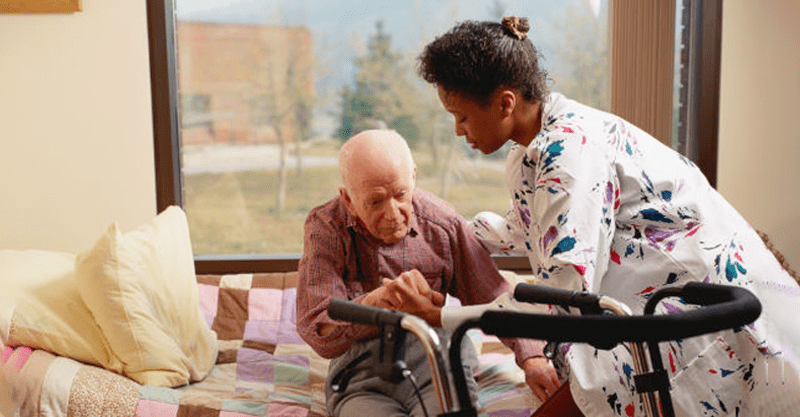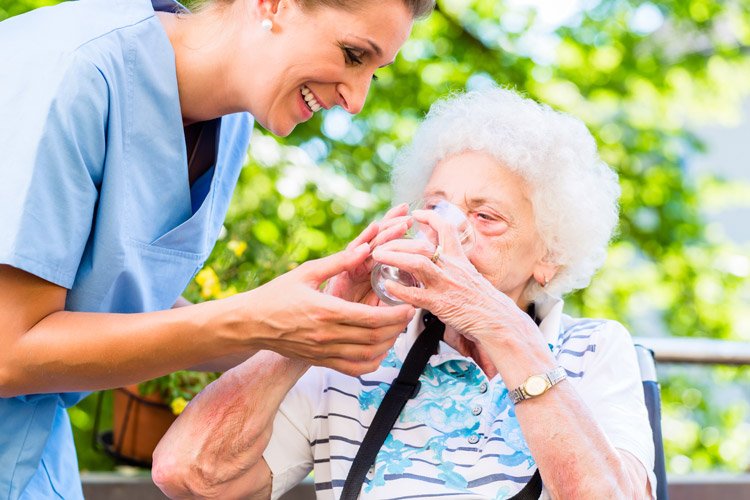
Growing older can bring many positive experiences, but it can also make certain everyday activities more challenging. Tasks such as preparing meals, keeping the house organized, shopping for groceries, or moving safely around the home may require additional assistance.
Home helpers for seniors provide practical and compassionate support that can help older adults maintain their routines, comfort, and independence at home.
Whether a senior needs help for a few hours a week or more regular assistance, home support can be adapted to suit individual needs and preferences.
What Are Home Helpers for Seniors?
Home helpers are caregivers or support professionals who assist seniors with everyday activities in their homes.
The services provided can vary depending on the provider, caregiver’s training, and the senior’s needs.
Common services may include:
- Meal preparation
- Grocery shopping and errands
- Light housekeeping
- Laundry
- Personal hygiene and grooming assistance
- Bathing and dressing support
- Mobility assistance
- Companionship
- Transportation or accompaniment
- Assistance with daily routines
- Respite support for family caregivers
- Skilled healthcare from appropriately qualified professionals when required
Home helpers can provide either short-term or ongoing support depending on the circumstances.
Why Seniors May Need Home Helpers
As people age, changes in strength, balance, mobility, or energy can make everyday activities more difficult.
A senior may still be capable of living independently but need help with a few specific tasks.
For example, someone may be able to manage personal finances and make their own decisions but need assistance with grocery shopping or cleaning.
Home helpers can fill these gaps without unnecessarily taking away the senior’s independence.
The Benefits of Senior Home Assistance
One of the main benefits of having a home helper is the ability to receive support in a familiar environment.
Home is where seniors may feel most comfortable. Familiar rooms, personal belongings, neighbors, and routines can provide a strong sense of security.
A home helper can provide assistance while allowing the senior to continue living within their established surroundings.
Other potential benefits include:
- Greater assistance with everyday activities
- Support for maintaining routines
- Companionship
- Help with household tasks
- Reduced burden on family caregivers
- Support during recovery
- Greater confidence with daily activities
Supporting Independence
Home helpers should support independence rather than automatically taking over.
Whenever it is safe and appropriate, seniors should be encouraged to participate in their daily activities.
A caregiver might prepare a meal while allowing the senior to choose what they want to eat. They may help with household chores while allowing the senior to organize personal belongings.
Maintaining these choices can help seniors feel confident and respected.
Independence does not mean doing everything alone. Sometimes, the right support makes independence possible.
Personalized Home Help
Every senior has unique needs.
One person may need help with household activities, while another may require personal care and mobility assistance.
A personalized support plan can consider:
- Daily routines
- Physical abilities
- Mobility
- Health needs
- Personal preferences
- Dietary requirements
- Household responsibilities
- Social interests
- Family involvement
- Short-term and long-term needs
Care plans should be flexible and reviewed when circumstances change.
Help With Household Tasks
Maintaining a home can become physically demanding as people age.
Home helpers may assist with tasks such as:
- Light cleaning
- Laundry
- Changing bed linens
- Organizing household areas
- Grocery shopping
- Meal preparation
- Basic errands
The exact tasks should be agreed upon with the provider and should fall within the caregiver’s responsibilities.
This practical assistance can help seniors maintain a comfortable home while conserving their energy for activities they enjoy.
Personal Care and Daily Routines
Some seniors need assistance with personal-care activities.
Depending on the caregiver’s training and responsibilities, support may include bathing, dressing, grooming, or other daily routines.
Personal care should always be delivered with patience, professionalism, and respect for privacy.
Seniors should be encouraged to participate in their routines whenever they can safely do so.
Companionship for Seniors
Home helpers can also provide valuable companionship.
Some seniors may spend much of their time alone, particularly if mobility or transportation is difficult.
A home helper can spend time talking, reading, listening to music, playing games, enjoying hobbies, or taking appropriate walks.
Companionship can bring social connection and enjoyment to everyday life.
A good home helper takes the time to understand the senior’s interests and personality.
Meal Preparation and Nutrition
Preparing meals can become challenging when shopping and cooking require more energy or mobility.
A home helper can assist with grocery shopping and meal preparation, depending on the services offered.
Seniors should be encouraged to participate in meal planning and choose foods they enjoy.
For seniors with medical dietary needs, families should follow guidance from an appropriate healthcare professional.
Mobility and Home Safety
Reduced mobility can increase the difficulty of everyday activities.
Depending on their training, home helpers may provide assistance with safe movement and everyday tasks.
Families can also review the home for potential hazards such as:
- Loose rugs
- Cluttered walkways
- Poor lighting
- Slippery surfaces
- Difficult-to-reach items
- Obstacles on stairs
Bathrooms, stairs, and entrances may require particular attention.
If mobility concerns are significant, families can seek advice from appropriate healthcare professionals regarding safety equipment or home modifications.
Medication Reminders
Some seniors may need help remembering established medication routines.
Depending on the caregiver’s role, training, and applicable regulations, a home helper may provide reminders or other permitted assistance.
Home helpers should not change medication dosages or treatment plans unless they are specifically qualified and authorized.
Medication questions should be discussed with the senior’s healthcare professional or pharmacist.
Home Helpers During Recovery
Home assistance can be particularly useful after an illness, injury, surgery, or hospital stay.
A senior may temporarily need additional help with meals, mobility, household activities, personal care, or transportation.
A home helper can provide practical assistance while the senior follows the recovery plan established by their healthcare team.
Skilled healthcare services should be provided by appropriately qualified professionals when required.
Helping Family Caregivers
Family members often provide a large amount of support to aging loved ones.
However, care giving can become difficult to balance with work, children, household responsibilities, and personal needs.
Home helpers can supplement family care giving.
They can assist with everyday tasks while family members continue to spend meaningful time with their loved one.
Respite support can also give family caregivers time to rest, attend appointments, work, or manage other responsibilities.
Signs a Senior May Benefit From a Home Helper
Families may consider home assistance when an older adult begins having difficulty managing everyday activities.
Potential signs include:
- Difficulty preparing meals
- Trouble maintaining the household
- Reduced mobility
- Difficulty with personal hygiene
- Increasing reliance on family members
- Difficulty shopping or running errands
- Spending more time alone
- Trouble maintaining daily routines
- Family caregivers feeling overwhelmed
These signs do not necessarily mean that a senior needs residential care. Additional home support may be enough to help them remain at home.
Choosing the Right Home Helper
Finding the right person to provide assistance is an important decision.
Families should consider the senior’s needs, the caregiver’s experience, training, availability, and personality.
Questions to ask a home-care provider include:
- What services do you provide?
- What training do caregivers receive?
- What experience do they have with seniors?
- How are caregivers selected?
- How are caregivers matched with clients?
- How is the care plan developed?
- How are changes in care needs handled?
- Is backup care available?
- How does the provider communicate with family members?
- What are the costs and scheduling arrangements?
A good match can help create a comfortable and trusting care relationship.
Building Trust and Respect
Inviting a home helper into a senior’s home requires trust.
A strong relationship develops through reliability, patience, communication, and respect.
Caregivers should respect the senior’s routines and preferences. Seniors and their families should also feel comfortable discussing concerns and expectations.
The best home helpers become trusted companions and reliable sources of practical support.
Care That Adapts Over Time
Senior care needs can change.
Someone recovering from an injury may require more help initially and gradually become more independent. Another senior may need increasing support over time.
A flexible home-care arrangement can adapt as needs change.
Regularly reviewing the support plan helps ensure that seniors receive an appropriate level of assistance.
Making Life Enjoyable at Home
A home helper’s role is not simply to complete a list of tasks.
Seniors should have opportunities to continue enjoying the activities that bring them happiness.
This may include:
- Gardening
- Reading
- Cooking
- Listening to music
- Watching favorite programs
- Playing games
- Spending time with family
- Visiting friends
- Enjoying hobbies
A home helper can provide the practical assistance that allows seniors to continue participating in these activities.
Conclusion
Home helpers for seniors can provide valuable support for older adults who want to remain comfortable and independent at home.
From household chores and meal preparation to personal care, companionship, and mobility assistance, home support can be tailored to individual needs.
The best home helpers provide more than practical assistance. They offer patience, respect, reliability, compassion, and companionship.
For seniors, the right home helper can make everyday life easier while preserving dignity and independence. For families, professional home assistance can provide valuable support and peace of mind.
Ultimately, senior home help is about helping older adults continue to live safely, comfortably, and meaningfully—in the home they know and love.