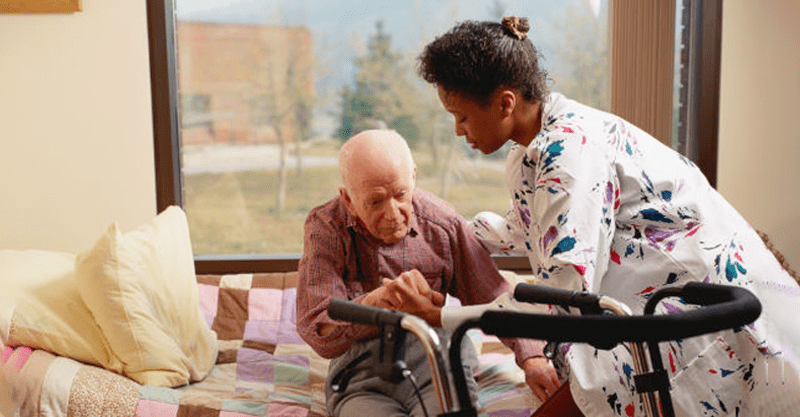
Home is more than a place to live. It is where people feel comfortable, maintain their routines, spend time with loved ones, and enjoy a sense of familiarity. When health needs change, receiving appropriate care at home can help individuals continue living comfortably while getting the support they need.
Home and health care brings together practical assistance, personal support, companionship, and healthcare services to help people manage everyday life in a familiar environment.
For seniors, individuals recovering from illness or injury, people living with disabilities, and families managing ongoing care needs, the right home-based support can make a meaningful difference.
What Is Home and Health Care?
Home and health care refers broadly to services that support an individual’s health and daily living within their home.
The exact services depend on the person’s needs and the provider. Home care often focuses on non-medical assistance, while home health care generally involves skilled healthcare services delivered by qualified professionals.
Home-based support may include:
- Personal hygiene and grooming assistance
- Bathing and dressing support
- Meal preparation
- Light housekeeping
- Laundry
- Grocery shopping and errands
- Mobility assistance
- Companionship
- Transportation or accompaniment
- Medication reminders within an appropriate caregiver role
- Nursing services from qualified professionals
- Physical, occupational, or speech therapy when clinically appropriate
- Respite support for family caregivers
Understanding the difference between medical and non-medical services is important when selecting care.
Why Home-Based Care Matters
Many people prefer to receive support in their own homes.
Familiar surroundings can provide comfort and allow individuals to maintain established routines. Staying at home may also allow seniors to remain connected with their neighborhoods, communities, possessions, and loved ones.
Home-based care can provide assistance without requiring a person to immediately move into a residential care setting.
The goal is to provide the right support while preserving independence wherever possible.
Supporting Seniors at Home
Aging can bring changes in mobility, strength, energy, and health.
Tasks that once seemed simple may gradually become more challenging. Home care can help seniors manage these changes.
Support may include assistance with personal care, meals, household activities, transportation, companionship, and other everyday needs.
For seniors who want to remain at home, personalized support can help make this goal more achievable.
Personalized Care Plans
Every individual has different needs.
A person recovering from surgery may need temporary support, while someone managing long-term health needs may require ongoing assistance.
A personalized care plan can consider:
- Physical abilities
- Mobility
- Health needs
- Daily routines
- Personal preferences
- Nutrition
- Household responsibilities
- Social activities
- Family involvement
- Short-term recovery goals
- Long-term care requirements
Care plans should be reviewed regularly and adjusted when circumstances change.
Supporting Independence and Dignity
Good home care should support independence rather than unnecessarily replace it.
A caregiver can assist with tasks that are difficult while encouraging the individual to participate in activities they can safely manage.
For example, a caregiver might help prepare a meal while allowing the individual to choose what they want to eat. They may assist with mobility while allowing the person to remain involved in their daily activities.
Personal choice matters.
When people have a say in their routines and care, they can feel more confident, respected, and in control.
Personal Care at Home
Some individuals need assistance with personal-care activities such as bathing, dressing, grooming, or other daily routines.
These services should be delivered with patience, professionalism, and respect for privacy.
Caregivers should explain what they are doing, listen to preferences, and encourage individuals to participate whenever safely possible.
Maintaining dignity should always be a central part of home care.
Skilled Health Care at Home
Some health needs require professional medical attention.
Depending on the individual’s condition and care plan, qualified healthcare professionals may provide services such as nursing care or rehabilitation therapies at home.
Home-based skilled care can be particularly useful during recovery from illness, injury, surgery, or hospitalization.
Families should work with the appropriate healthcare professionals to determine which clinical services are needed.
Companionship and Emotional Well-Being
Health involves more than physical needs.
Social connection and emotional well-being are also important aspects of a fulfilling life.
Some seniors and individuals with limited mobility may spend significant periods alone. A caregiver can provide companionship through conversation, reading, music, games, hobbies, walks, or other activities.
A familiar caregiver can also provide a sense of routine and connection.
Sometimes, simply having someone there to listen can make a difficult day feel easier.
Nutrition and Meal Assistance
Maintaining healthy eating habits can become challenging when shopping or cooking is difficult.
Home caregivers may assist with grocery shopping, meal preparation, and maintaining regular mealtimes, depending on their role.
Individuals should be encouraged to participate in meal planning and choose foods that suit their preferences.
People with medical dietary requirements should follow recommendations from their healthcare provider or an appropriately qualified professional.

Home Safety and Mobility
A safe home environment can make everyday life easier.
Families can look for potential hazards such as:
- Loose rugs
- Cluttered walkways
- Poor lighting
- Slippery bathroom surfaces
- Objects stored in difficult-to-reach locations
- Obstacles on stairs
Bathrooms, stairs, entrances, and frequently used areas may require particular attention.
If mobility is a concern, families can speak with appropriate healthcare professionals about suitable equipment or home modifications.
Medication Support
Medication routines can sometimes be complicated, particularly when an individual takes multiple medications.
Depending on their responsibilities, training, and applicable regulations, caregivers may provide reminders or other permitted assistance.
Caregivers should not independently change medication doses or treatment plans unless appropriately qualified and authorized.
Questions about medications should be directed to the individual’s healthcare professional or pharmacist.
Home Care After Hospitalization
Returning home after hospitalization can be an important but challenging stage of recovery.
Individuals may temporarily need help with:
- Personal care
- Meal preparation
- Household activities
- Mobility
- Transportation
- Following established routines
Home support can make the transition easier while the individual follows the healthcare team’s recommendations.
When skilled medical care is required, it should be provided by appropriately qualified professionals.
Supporting Family Caregivers
Family members often provide essential care to their loved ones.
However, care giving responsibilities can become difficult to balance with employment, children, household responsibilities, and personal health.
Professional home care can supplement family care giving.
A caregiver can take responsibility for certain daily tasks while family members continue to provide emotional support and spend quality time with their loved one.
Respite care can also give family caregivers an opportunity to rest and manage their own responsibilities.
When Should You Consider Home Care?
Families may consider home-based support when everyday activities become difficult or when existing caregivers are struggling to keep up with responsibilities.
Possible signs include:
- Difficulty preparing meals
- Trouble with personal hygiene
- Reduced mobility
- Difficulty maintaining the home
- Increasing dependence on family members
- Difficulty attending appointments
- Spending significant amounts of time alone
- Recovery after illness or hospitalization
- Family caregivers feeling overwhelmed
Seeking assistance does not mean that someone has lost their independence. In many cases, appropriate support can help preserve independence for longer.
Choosing the Right Home and Health Care Provider
Selecting a care provider is an important decision.
Families should consider the individual’s needs, the services offered, staff qualifications, communication practices, and availability.
Questions to ask may include:
- What types of services do you provide?
- Are services medical, non-medical, or both?
- What training do caregivers receive?
- Are healthcare services provided by appropriately qualified professionals?
- How is the care plan developed?
- How are caregivers selected and matched?
- How often is the care plan reviewed?
- What happens if a caregiver is unavailable?
- How does the provider communicate with family members?
- What are the costs and scheduling arrangements?
Taking time to compare providers can help families find a service that fits their circumstances.
Building Trust at Home
Care takes place in a person’s private environment, so trust is essential.
A good caregiver relationship develops through consistency, communication, patience, and respect.
Caregivers should learn the individual’s routines and preferences, while clients and families should feel comfortable expressing their expectations and concerns.
A trusted caregiver can become an important part of a person’s support network.
Flexible Care for Changing Needs
Health and care needs are not always predictable.
A person may require intensive support following an injury and gradually need less assistance as they recover. Another individual may need increasing support as they age.
A flexible care plan can change as circumstances evolve.
Regular communication between the individual, family, caregivers, and healthcare professionals can help ensure that care remains appropriate.
Making Life Meaningful at Home
Quality home and health care should involve more than completing daily tasks.
Individuals should be encouraged to continue enjoying activities that give them happiness and purpose.
This may include:
- Reading
- Gardening
- Cooking
- Listening to music
- Watching favorite programs
- Spending time with family
- Talking with friends
- Enjoying hobbies
- Participating in community activities
Caregivers can help make these activities possible by providing appropriate support.
The goal is not simply to help someone stay at home. It is to help them live well at home.
Conclusion
Home and health care can provide valuable support for seniors, individuals recovering from illness or injury, people living with disabilities, and families managing changing care needs.
From personal care and companionship to household assistance and skilled healthcare, home-based services can be tailored to an individual’s needs.
The best care combines compassion, safety, dignity, independence, reliability, and personalized attention.
With the right support, many people can continue living comfortably and meaningfully in the environment they know best.
Home is where life happens—and with the right care, it can also be a place where health, comfort, dignity, and independence thrive.