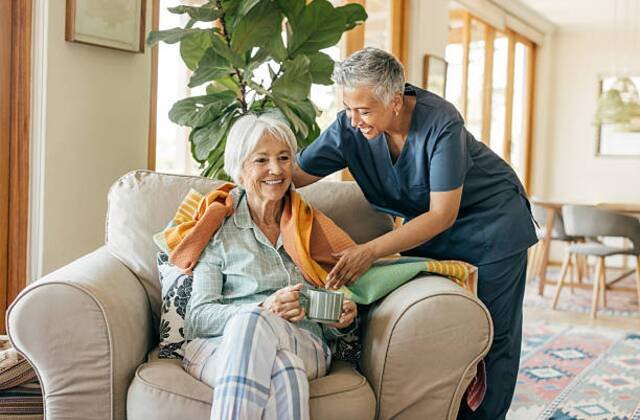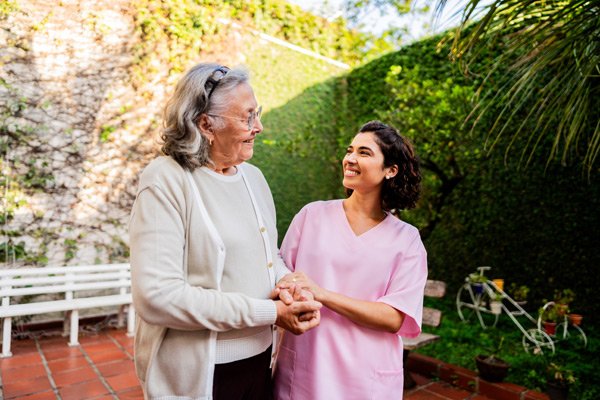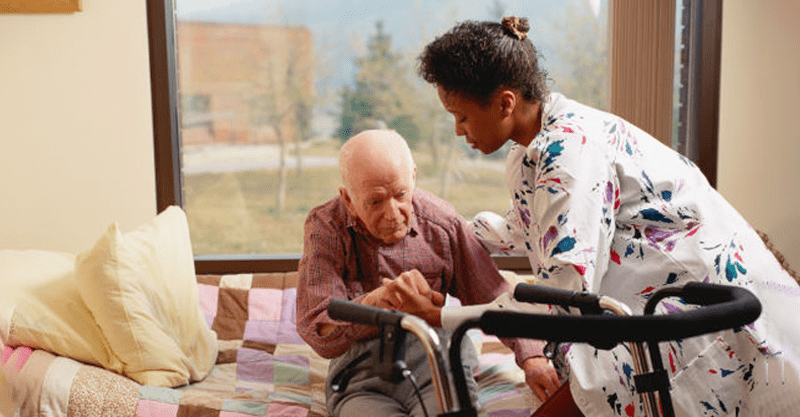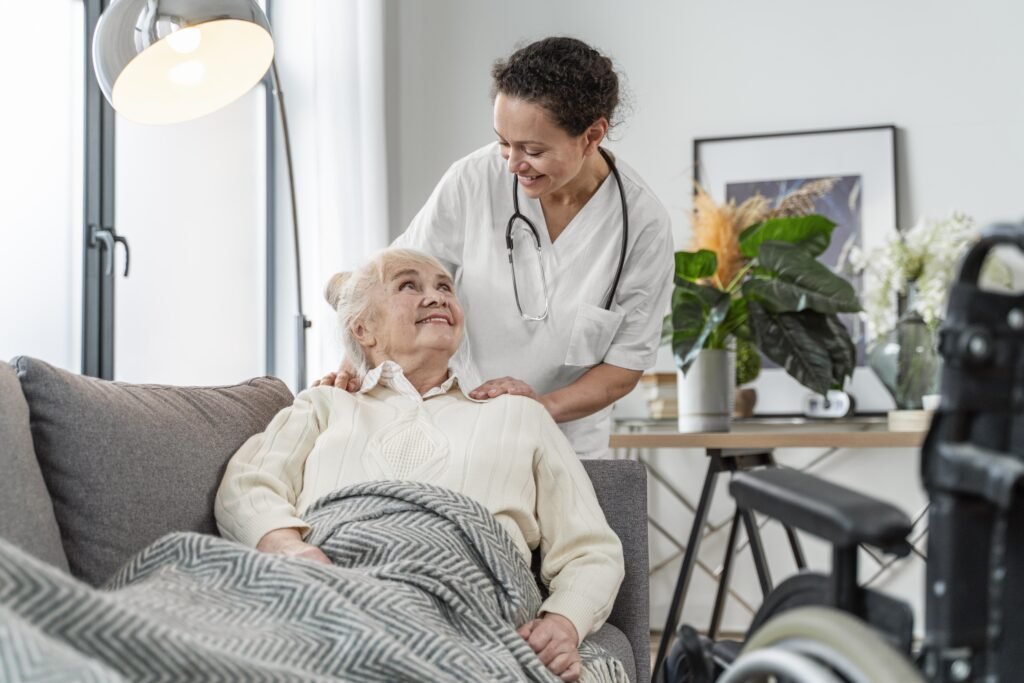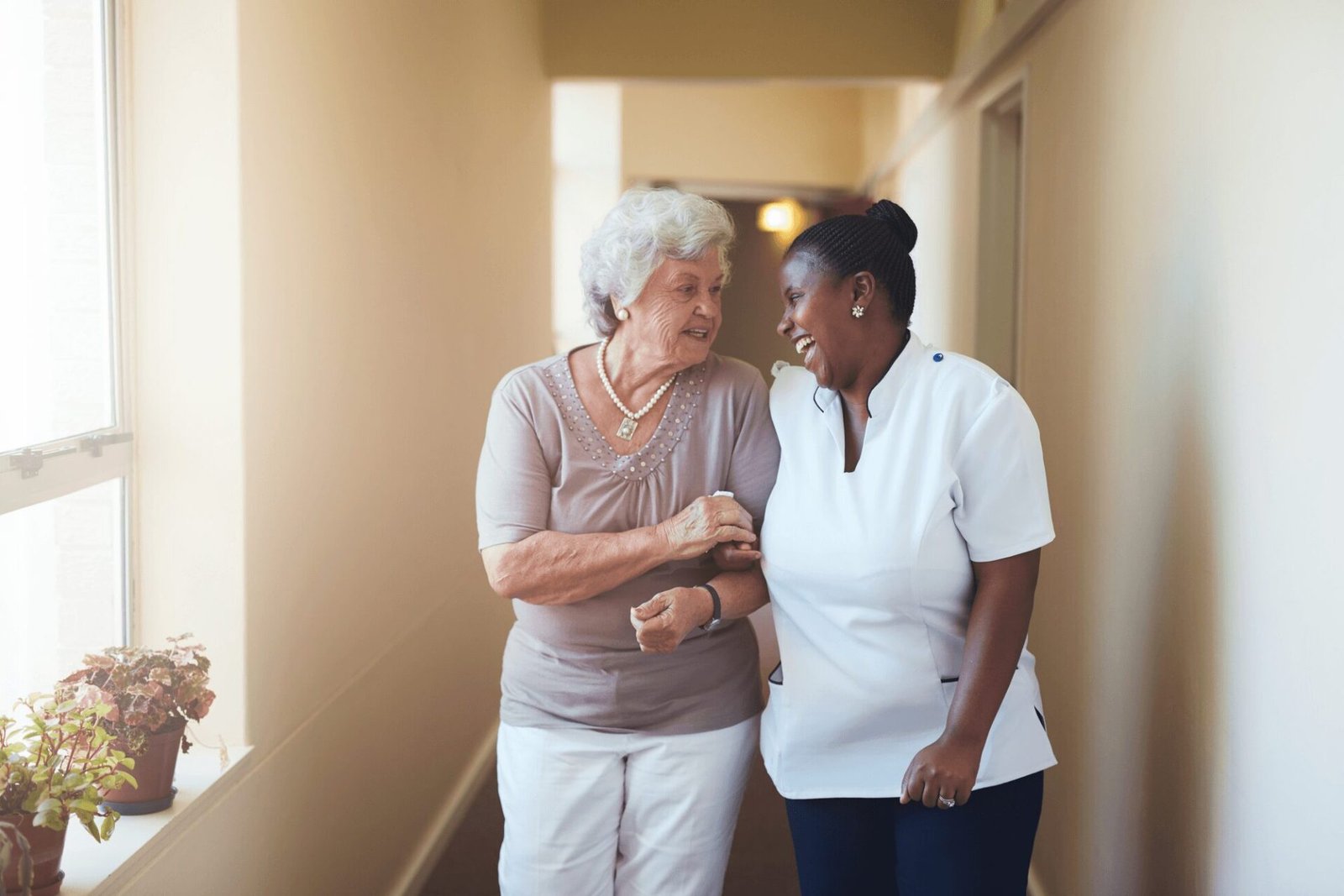
As people grow older, everyday personal activities can sometimes become more challenging. Tasks such as bathing, dressing, grooming, mobility, and maintaining personal hygiene may require additional assistance. Personal care for the elderly provides seniors with the support they need while helping them maintain comfort, dignity, and independence.
For many families, professional personal care can also provide peace of mind while allowing loved ones to remain in the familiar surroundings of home.
What Is Personal Care for the Elderly?
Personal care for seniors involves assistance with everyday activities related to personal hygiene, grooming, mobility, and daily living.
Depending on an individual’s needs and the caregiver’s training, personal care may include:
- Bathing and showering assistance
- Dressing and changing clothes
- Grooming and hair care
- Oral hygiene
- Toileting and continence support
- Assistance getting in and out of bed
- Mobility and walking assistance
- Meal preparation and feeding support
- Medication reminders
- Companionship
- Assistance with daily routines
The goal is to provide the right level of support without unnecessarily taking away a senior’s independence.
Why Is Personal Care Important for Seniors?
Aging can bring changes in strength, balance, flexibility, mobility, and energy levels. These changes may make activities that once seemed simple more difficult.
Personal care can help seniors manage these challenges while maintaining their daily routines.
It can also help families. Adult children and relatives may want to provide care themselves but may not always be available because of work, family, or other responsibilities. Professional caregivers can supplement family support.
Benefits of Personal Care for the Elderly
1. Maintaining Dignity
Personal care involves intimate activities, so dignity and privacy are extremely important. A compassionate caregiver provides assistance respectfully and allows the senior to maintain as much control as possible.
2. Supporting Independence
Personal care should not mean doing everything for the senior. Caregivers can assist with activities that are difficult while encouraging the individual to safely perform tasks they can still manage.
This approach can help preserve confidence and independence.
3. Improved Personal Hygiene
Regular bathing, grooming, oral care, and clean clothing can contribute to comfort and general well-being.
When seniors have difficulty managing these activities independently, appropriate assistance can make a significant difference.
4. Greater Safety
Some personal activities, particularly bathing and moving around the home, can present safety challenges for older adults.
Appropriate caregiver assistance can help seniors perform these activities more safely, within the caregiver’s training and the individual’s care plan.
5. Companionship and Emotional Support
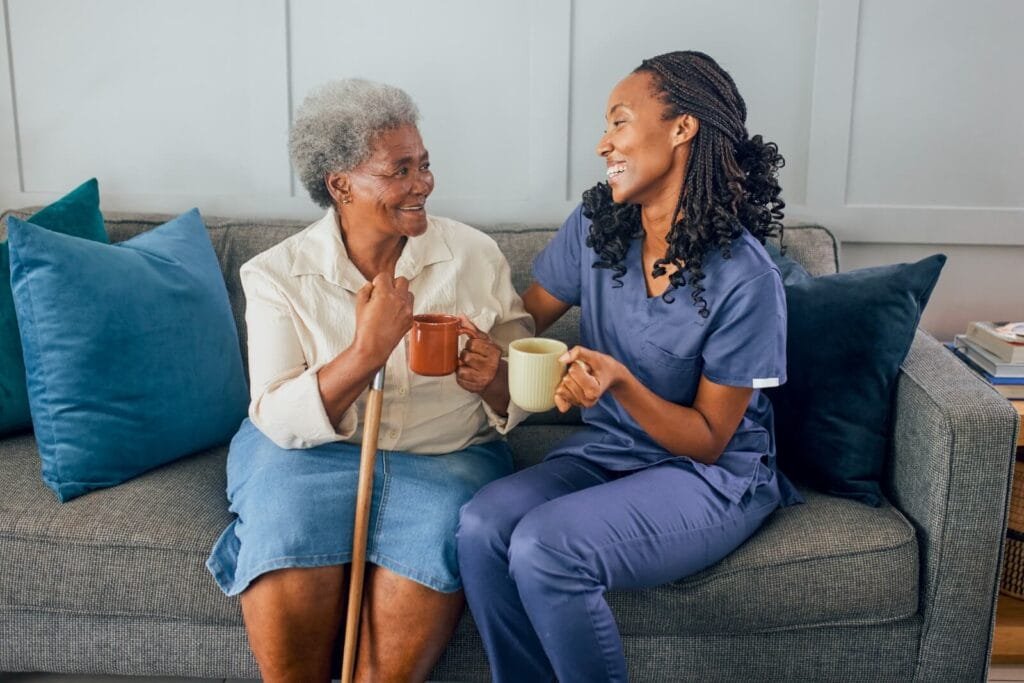
Personal care can also create opportunities for meaningful interaction. A caregiver may provide conversation, encouragement, and companionship while assisting with daily routines.
Common Personal Care Services for Seniors
Bathing and Showering
Some seniors may have difficulty getting into or out of the shower or maintaining balance while bathing. A caregiver can provide appropriate assistance while protecting privacy and dignity.
Families may also consider suitable bathroom safety equipment based on the senior’s needs.
Dressing and Grooming
Caregivers can help seniors select clothing, get dressed, brush their hair, shave, or complete other grooming routines according to the care plan.
Toileting Assistance
Older adults with mobility limitations or continence concerns may require assistance with bathroom routines. Care should always be provided sensitively and respectfully.
Oral Hygiene
Maintaining oral hygiene is an important part of everyday personal care. Caregivers can remind or assist seniors with brushing and other routine oral care as appropriate.
Mobility Assistance
A caregiver may assist with walking around the home, getting out of bed, or transferring between a bed and chair.
Specialized mobility techniques and equipment should be used according to appropriate professional recommendations.
Meal and Feeding Support
Some seniors may need help preparing meals or assistance while eating. If an individual has swallowing difficulties or specific medical dietary requirements, guidance from an appropriate healthcare professional should be followed.
Personal Care After Hospitalization
Seniors may temporarily need additional assistance after surgery, illness, or hospitalization.
During recovery, everyday activities such as bathing, dressing, preparing meals, and moving around the home may become more difficult.
Personal care services can provide practical support while the senior follows their healthcare team’s recovery plan. If skilled medical care or rehabilitation is needed, qualified healthcare professionals should provide those services.
Personal Care at Home vs. Residential Care
Many seniors prefer to remain in their own homes rather than move to a residential care facility.
Personal care at home can allow individuals to receive assistance while continuing to enjoy their familiar surroundings, routines, and community connections.
However, the appropriate care setting depends on the individual’s health, safety, medical needs, and level of support required. Families should consider these factors carefully when making care decisions.
Choosing the Right Personal Care Provider
Selecting a caregiver for an elderly family member requires careful consideration.
Check Caregiver Training
Ask about caregiver experience, training, certifications, background checks, and supervision.
Look for Personalized Care
A good provider should understand the senior’s individual needs, preferences, schedule, and abilities.
Prioritize Respect
Personal care requires trust. Caregivers should demonstrate patience, kindness, privacy, and respect.
Consider Consistency
Having familiar caregivers can help seniors feel more comfortable and allow caregivers to understand their routines and preferences.
Review Communication
Families should know how to communicate with the provider, report concerns, and receive appropriate updates.
Understand Costs
Before beginning care, families should understand pricing, schedules, included services, cancellation policies, and any additional charges.
Creating a Safe Environment for Elderly Personal Care
The home environment can play an important role in senior safety.
Families may consider:
- Keeping bathroom floors and walking areas clear
- Improving lighting
- Removing loose rugs and clutter
- Installing appropriate bathroom safety equipment
- Keeping frequently used items within easy reach
- Using recommended mobility aids correctly
- Keeping emergency contacts easily accessible
Individual needs differ, so families should seek professional advice when a senior has significant mobility, balance, or health concerns.
Signs That a Senior May Need Personal Care
Families may want to consider professional assistance if an older adult begins to:
- Struggle with bathing or dressing
- Have difficulty maintaining personal hygiene
- Avoid activities because of mobility concerns
- Depend increasingly on family members
- Have difficulty preparing meals
- Experience problems maintaining daily routines
- Need additional support after hospitalization
- Cause concern about personal safety at home
Identifying these changes early can help families explore care options before a situation becomes urgent.
The Human Side of Elderly Personal Care
Personal care is about more than completing daily tasks. It is about supporting the whole person.
Seniors should feel respected, heard, and involved in decisions about their daily lives. Caregivers should recognize individual preferences and encourage independence wherever safely possible.
A compassionate caregiver can provide not only practical assistance but also friendship, encouragement, and emotional reassurance.
Conclusion
Personal care for the elderly can help seniors maintain their comfort, hygiene, dignity, and independence while receiving support in their own homes.
From bathing and dressing to grooming, mobility, meal assistance, and companionship, personalized care can make everyday life easier for seniors and their families.
The best elderly personal care combines professional support with patience, compassion, privacy, and respect. With the right caregiver and an appropriate care plan, seniors can continue living safely and confidently in the place they know and love.