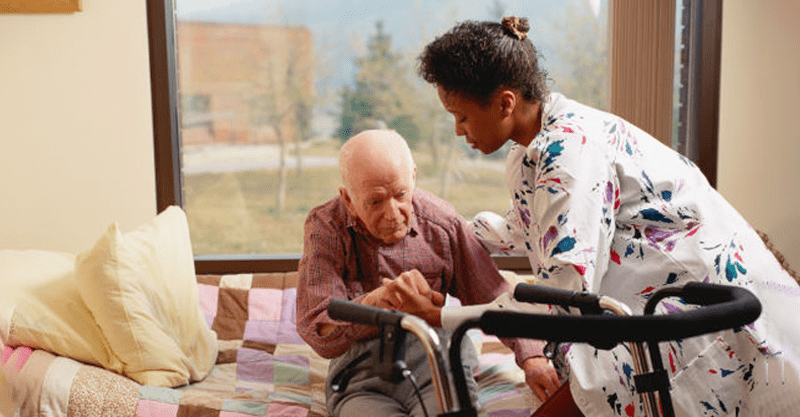
As people age or face changes in health, mobility, or daily living, managing everyday activities can become more challenging. At the same time, many individuals prefer to remain in the comfort and familiarity of their own homes.
Home care solutions provide personalized support that can help seniors, individuals recovering from illness or surgery, people with disabilities, and families manage everyday care needs while maintaining comfort, dignity, and independence.
What Are Home Care Solutions?
Home care solutions are a range of services designed to support individuals in their own homes. The right solution depends on a person’s lifestyle, health needs, level of independence, and family situation.
Home care may include:
- Personal care and hygiene assistance
- Bathing and dressing support
- Meal preparation
- Mobility assistance
- Light housekeeping and laundry
- Companionship
- Medication reminders
- Transportation and errands
- Respite care for family caregivers
- Post-hospitalization support
- Nursing and rehabilitation services from qualified professionals
Some home care services are non-medical, while others involve skilled healthcare. Understanding this difference is important when selecting the right type of support.
Why Are Home Care Solutions Important?
Every individual has different care requirements. Some people may only need a few hours of assistance each week, while others may need daily or live-in support.
Personalized home care solutions can help people receive appropriate assistance without giving up the familiarity of their home.
For families, professional care can also provide additional support when they cannot be available throughout the day.
Benefits of Home Care Solutions
1. Personalized Care
One of the main advantages of home care is the ability to create a care plan around the individual’s needs.
Care can be adjusted according to daily routines, preferences, abilities, and changing circumstances.
2. Comfort and Familiarity
Home is often where people feel most comfortable. Receiving appropriate care at home allows individuals to remain surrounded by familiar belongings, routines, and memories.
3. Support for Independence
Quality home care is designed to assist—not unnecessarily take over.
Caregivers can help with activities that are difficult while encouraging individuals to safely participate in tasks they can still manage independently.
4. Companionship
Home care can provide meaningful social interaction in addition to practical assistance.
Caregivers may spend time talking, reading, playing games, enjoying hobbies, or accompanying clients on appropriate outings.
5. Support for Family Members
Family caregivers often have work, household, and personal responsibilities. Professional home care can supplement family support and provide valuable relief.
Common Home Care Solutions
Personal Care
Personal care can include assistance with bathing, dressing, grooming, toileting, and other daily activities.
Because these services can be sensitive, caregivers should always provide assistance with privacy, patience, and dignity.
Meal Preparation
Caregivers can help with grocery shopping, meal preparation, and maintaining regular meal routines.
If an individual has specific dietary or medical requirements, families should follow recommendations from an appropriate healthcare professional.
Mobility Assistance
Some people need assistance walking, getting out of bed, or transferring between a bed and chair.
Caregivers should use appropriate techniques and mobility equipment according to their training and professional recommendations.
Household Support
Light housekeeping, laundry, organizing, and other routine tasks can help maintain a clean and comfortable home environment.
Companionship
For individuals who live alone, companionship can be an important part of home care.
Caregivers can encourage social interaction and activities that match the person’s interests and abilities.
Medication Reminders
Caregivers may provide medication reminders according to an established care plan. Medication administration and clinical medication management should be handled by appropriately qualified professionals when required.

Home Care After Hospitalization
Returning home after a hospital stay can be challenging, particularly for older adults.
A person may experience weakness, reduced mobility, or difficulty returning to normal routines. Home care can provide practical assistance with meals, personal activities, household tasks, and mobility while the individual follows their healthcare team’s recovery plan.
If skilled medical care or rehabilitation is required, appropriately qualified healthcare professionals should provide those services.
Home Care Solutions for Seniors
Seniors may have different levels of care needs. A person who is mostly independent might only need help with housekeeping and transportation, while another senior may require regular personal care and mobility assistance.
Home care can be adapted as needs change.
For example, a senior may begin with a few weekly visits and later require more frequent assistance. Regularly reviewing the care plan can help ensure the level of support remains appropriate.
Home Care Solutions for Family Caregivers
Family members often provide significant support to aging parents and other loved ones. While family caregiving can be rewarding, it can also become physically and emotionally demanding.
Professional home care can complement family involvement by helping with everyday responsibilities.
This allows family members to spend more quality time with their loved ones rather than focusing entirely on caregiving tasks.
Choosing the Right Home Care Solution
Finding the right provider requires more than comparing prices. Families should consider several factors.
Assess Individual Needs
Start by identifying what kind of help is actually required. Consider personal care, mobility, meals, companionship, household tasks, and any medical needs.
Check Qualifications
Ask about caregiver training, experience, certifications, screening, and supervision.
For clinical services, confirm that professionals have the appropriate licenses and qualifications.
Understand the Care Plan
A reputable provider should explain what services will be provided, how frequently they will occur, and how care will be reviewed.
Consider Caregiver Compatibility
Trust and communication are important. A caregiver should be patient, respectful, dependable, and compatible with the individual’s personality and preferences.
Review Communication
Families should know who to contact if they have questions or concerns and how updates will be shared.
Understand Costs
Before services begin, discuss pricing, schedules, cancellation policies, replacement caregivers, and additional fees.
Creating a Safe Home for Care
A safe environment can support successful home care.
Families may consider:
- Keeping walkways clear
- Improving lighting
- Removing loose rugs and trip hazards
- Installing appropriate bathroom safety equipment
- Keeping frequently used items within easy reach
- Using recommended mobility aids correctly
- Keeping emergency contact information accessible
Individual safety needs vary, so professional advice may be appropriate when there are significant health or mobility concerns.
When Should You Consider Home Care?
It may be time to explore home care when an individual begins having difficulty with:
- Bathing or dressing
- Preparing meals
- Maintaining personal hygiene
- Walking or moving around safely
- Managing household tasks
- Keeping up with daily routines
- Recovering after surgery or hospitalization
- Staying socially connected
Family members who feel overwhelmed by caregiving responsibilities may also benefit from additional professional support.
The Importance of Compassionate Care
Home care is about more than completing tasks. It is about supporting the individual as a whole.
A good caregiver respects the person’s preferences, privacy, routines, and independence. They provide assistance without making the individual feel helpless or dependent.
The strongest home care relationships are built on trust, communication, reliability, compassion, and respect.
Conclusion
Home care solutions can help individuals receive the right level of support while continuing to live comfortably in their own homes. From personal care and meal preparation to companionship, mobility assistance, and skilled healthcare, services can be tailored to meet changing needs.
For seniors and their families, the right home care plan can provide practical assistance, greater peace of mind, and support for continued independence.
Ultimately, effective home care is about helping people live safely, comfortably, and with dignity—right where they feel most at home.