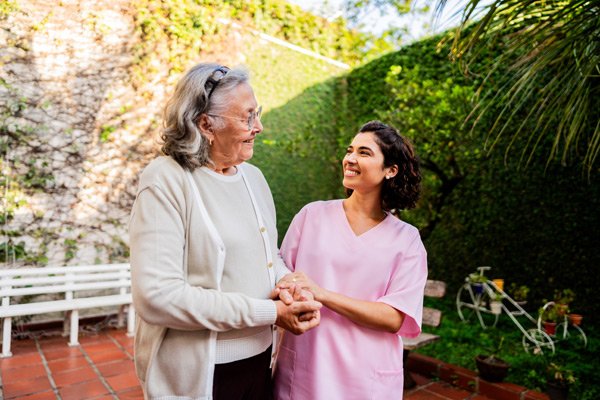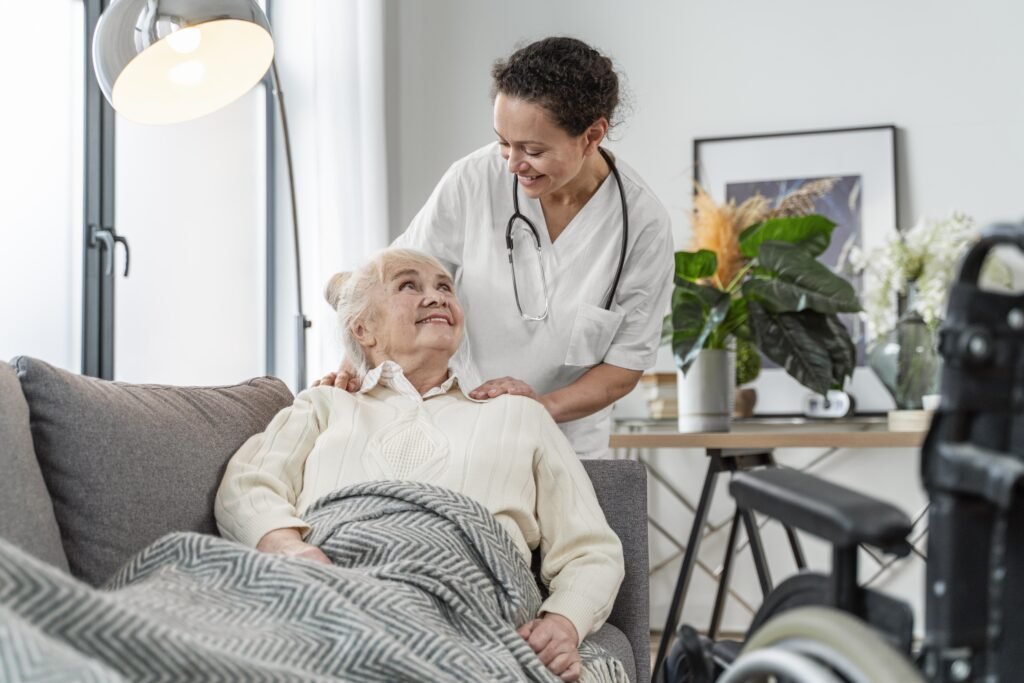
As people age, they may need more support with everyday activities, personal care, mobility, meals, and household routines. For seniors who require regular assistance but want to remain in familiar surroundings, live-in home care can be an option worth considering.
Live-in care provides ongoing support in the senior’s own home, helping with daily activities while promoting comfort, dignity, and independence.
What Is Live-In Home Care?
Live-in home care is a type of home-based support where a caregiver stays in or at the client’s home for an extended period to provide assistance with daily living.
Depending on the care plan and local regulations, services may include:
- Personal hygiene and grooming
- Bathing and dressing assistance
- Meal preparation
- Mobility assistance
- Light housekeeping
- Laundry
- Companionship
- Assistance with daily routines
- Medication reminders
- Support with appointments and errands
- Coordination with family members and healthcare professionals
The exact services depend on the individual’s needs and the caregiver’s qualifications.
Live-in home care should not automatically be considered the same as 24-hour skilled nursing care. A person who requires continuous medical monitoring or clinical intervention may need a different level of professional healthcare.
Who Can Benefit From Live-In Home Care?
Seniors Who Need Regular Assistance
Some older adults may require help throughout much of the day with personal activities and household routines. Having a caregiver available in the home can provide consistent support.
People With Mobility Challenges
Individuals who have difficulty walking, transferring, or completing everyday activities may benefit from regular assistance.
Seniors Living Alone
For an older adult who lives alone, having an appropriate caregiver arrangement can provide companionship and additional support with daily routines.
Individuals Returning Home After Hospitalization
Some seniors may need additional assistance during recovery after surgery, illness, or hospitalization. Live-in care can provide practical support while they follow their healthcare team’s recovery plan.
Benefits of Live-In Home Care
1. Remain in a Familiar Home
One of the biggest advantages of live-in care is that seniors can continue living in familiar surroundings.
They can maintain their routines, enjoy their belongings, and remain connected to their neighborhood and community.
2. Personalized Support
Care can be organized around the senior’s daily habits, preferences, and individual needs.
Rather than following a generic schedule, caregivers can provide assistance based on the person’s established routine and care plan.
3. Greater Independence
Needing assistance does not mean a senior has to give up independence.
A good caregiver helps with activities that are difficult while encouraging the senior to safely do what they can themselves.
4. Companionship
A live-in caregiver can provide regular social interaction through conversation, reading, hobbies, games, and other activities the senior enjoys.
Companionship can be particularly valuable for people who spend much of their time alone.
5. Family Peace of Mind
Family members may not be able to stay with an elderly loved one all day. Professional home care can provide additional support and reassurance.
What Does a Live-In Caregiver Typically Help With?
Personal Care
Depending on their training and the care plan, caregivers may assist with bathing, dressing, grooming, toileting, and other daily personal activities.
These services should always be delivered with privacy, patience, and respect.
Meal Preparation
Caregivers can help plan and prepare meals, organize groceries, and maintain regular meal routines.
If a senior has specific medical or dietary needs, families should follow guidance from an appropriate healthcare professional.
Mobility Assistance
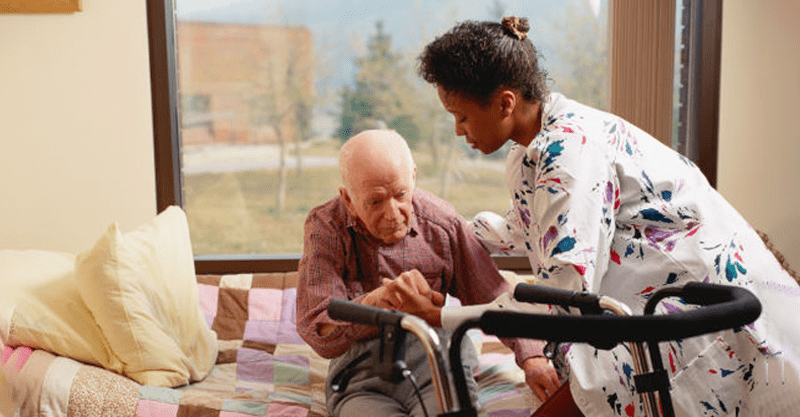
Caregivers may assist with walking, getting out of bed, or moving between a bed and chair.
Specialized mobility techniques and equipment should be used according to appropriate professional recommendations.
Household Assistance
Light housekeeping, laundry, organizing, and other routine tasks can help keep the home comfortable.
Medication Reminders
Caregivers may provide medication reminders as part of an established care plan. Medication administration and clinical medication management should be handled by appropriately qualified professionals when required.
Companionship
A caregiver may spend time with the senior, encourage appropriate activities, and provide friendly conversation throughout the day.
Is Live-In Care the Same as 24-Hour Care?
Not necessarily.
Live-in care generally means a caregiver stays in the home and provides support during agreed-upon periods, with appropriate rest and sleeping arrangements.
24-hour care may require multiple caregivers working in shifts so that someone is actively available throughout the entire day and night.
Families should clearly discuss schedules, overnight responsibilities, rest periods, emergency arrangements, and the level of supervision required before starting a live-in care arrangement.
Creating a Comfortable Environment for a Live-In Caregiver
Because the caregiver will spend significant time in the home, both the senior and caregiver need a comfortable and respectful arrangement.
Families should consider providing:
- A suitable sleeping area
- Reasonable privacy
- Access to bathroom facilities
- Appropriate meal arrangements
- Clear communication about household routines
- Emergency contact information
- A written care plan
- Clear expectations regarding duties and schedules
The arrangement should respect both the senior’s privacy and the caregiver’s personal needs.
Choosing the Right Live-In Home Care Provider
Selecting a live-in caregiver requires careful consideration.
Check Qualifications and Experience
Ask about caregiver training, experience, screening, references, and supervision.
Discuss the Care Plan
Make sure the provider understands the senior’s daily routines, preferences, mobility needs, and personal care requirements.
Consider Personality and Compatibility
A live-in caregiver spends considerable time with the client, so trust, communication, patience, and personality compatibility are extremely important.
Ask About Backup Caregivers
Families should understand what happens if the regular caregiver becomes ill, takes leave, or cannot attend.
Understand Costs and Policies
Before beginning care, clarify fees, working hours, overnight arrangements, holidays, replacement caregivers, and cancellation policies.
Making the Home Safer for Seniors
A safe environment can make live-in care more effective.
Families may consider:
- Keeping walking areas free of clutter
- Improving lighting
- Removing loose rugs and trip hazards
- Installing suitable bathroom safety equipment
- Keeping frequently used items within easy reach
- Using recommended mobility equipment correctly
- Keeping emergency contacts easily accessible
Individual safety needs vary, so professional advice may be appropriate for seniors with significant health or mobility concerns.
When Should Families Consider Live-In Home Care?
Live-in care may be worth exploring when a senior:
- Needs frequent assistance throughout the day
- Has difficulty managing personal care independently
- Requires regular mobility assistance
- Lives alone and needs substantial support
- Has difficulty maintaining meals and household routines
- Is recovering from an illness or hospitalization
- Requires ongoing companionship
- Places significant demands on family caregivers
However, the appropriate level of care depends on the individual’s specific needs. Seniors who require continuous skilled medical supervision may need a more specialized healthcare arrangement.
The Importance of Dignity in Live-In Care
Because live-in care takes place in a person’s private home, trust and respect are essential.
Seniors should be involved in decisions about their daily routines whenever possible. Caregivers should respect personal preferences, privacy, cultural practices, and independence.
At the same time, caregivers deserve a professional and respectful working environment with clear responsibilities and appropriate rest.
A successful live-in care relationship benefits both the senior and the caregiver.
Conclusion
Live-in home care can provide seniors with consistent, personalized support while allowing them to remain in the comfort of their own homes. From personal care and meal preparation to mobility assistance, household support, and companionship, services can be tailored to individual needs.
For families, live-in care can provide valuable assistance and peace of mind while helping loved ones maintain their independence.
Ultimately, quality live-in care is built on compassion, trust, safety, dignity, communication, and respect—helping seniors enjoy a comfortable and supported life at home.