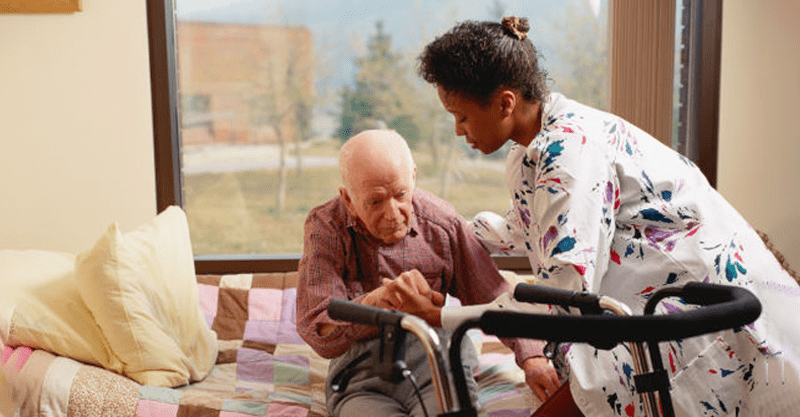
As people grow older, their healthcare needs can change. Regular medical attention, preventive care, rehabilitation, personal assistance, and emotional support can all play an important role in helping seniors maintain their quality of life.
Senior health care services provide a range of support designed to address the physical, emotional, and everyday needs of older adults. Depending on an individual’s condition, services may be provided at home, in outpatient settings, hospitals, or specialized care facilities.
What Are Senior Health Care Services?
Senior health care services include healthcare and supportive services designed specifically for older adults. The type of care a senior needs depends on their health, mobility, lifestyle, and level of independence.
Common services may include:
- Primary and routine healthcare
- Nursing care
- Health assessments and monitoring
- Medication management
- Physical therapy and rehabilitation
- Occupational therapy
- Wound care
- Post-hospitalization care
- Personal care assistance
- Nutrition support
- Mental and emotional well-being support
- Companionship
- Assistance with daily activities
Some services are medical and must be provided by appropriately qualified healthcare professionals, while others focus on everyday assistance and quality of life.
Why Is Senior Health Care Important?
Aging is a natural process, but older adults may experience changes in mobility, strength, vision, hearing, memory, and overall health. Regular healthcare can help identify concerns early and support appropriate treatment and prevention.
Good senior care is not only about treating illness. It also focuses on helping older adults remain as active, independent, and comfortable as possible.
Common Types of Senior Health Care Services
1. Primary Healthcare
Regular medical appointments can help seniors monitor existing health conditions and discuss new symptoms or concerns with their healthcare professionals.
Routine healthcare may include health assessments, preventive screenings, vaccinations, and management of ongoing conditions.
2. Home Healthcare
For seniors who have difficulty traveling to medical facilities, appropriate healthcare services may sometimes be provided at home.
Depending on the individual’s needs, qualified professionals may provide nursing care, physical therapy, wound care, or other skilled services.
3. Personal Care Assistance
Some seniors need help with everyday activities such as:
- Bathing
- Dressing
- Grooming
- Toileting
- Eating
- Mobility
- Household routines
Personal care is generally non-medical support and should be provided with patience, privacy, and dignity.
4. Physical Therapy and Rehabilitation
Changes in strength, balance, or mobility can affect a senior’s independence.
Physical therapy may help individuals work toward appropriate goals involving movement, strength, balance, and functional ability following an injury, illness, or medical procedure.
5. Medication Support
Older adults may take multiple medications, making medication routines particularly important.
Depending on local regulations and caregiver qualifications, support may range from reminders to professional medication management. Medication changes should always be discussed with the appropriate healthcare professional.
6. Nutrition Support
Good nutrition is an important part of healthy aging. Some seniors may need assistance with grocery shopping, meal preparation, or maintaining regular meals.
Seniors with specific medical conditions or dietary requirements should follow advice from an appropriate healthcare professional or registered dietitian.
7. Companionship and Emotional Support
Social connection is an important part of overall well-being. Companionship services can provide opportunities for conversation, hobbies, reading, games, and other enjoyable activities.

Benefits of Senior Health Care Services
Personalized Care
Every senior has different needs. A personalized approach allows care to be adapted to an individual’s health, preferences, routines, and goals.
Greater Independence
Appropriate support can help seniors continue participating in activities they can safely perform while receiving assistance with tasks that have become difficult.
Comfort at Home
For seniors who prefer to remain at home, appropriate home-based services can provide support without requiring unnecessary changes to their living environment.
Support for Families
Family members often play an important role in senior care. Professional services can complement family support and help reduce some of the practical responsibilities of caregiving.
Better Care Coordination
When healthcare professionals, caregivers, seniors, and families communicate effectively, it can become easier to understand care plans, appointments, medications, and recovery goals.
Senior Healthcare After Hospitalization
Returning home after a hospital stay can be challenging, particularly for older adults.
A senior may temporarily require additional assistance with mobility, personal care, meals, medication routines, or rehabilitation.
A well-planned transition can help the senior understand their recovery instructions and ensure that appropriate follow-up care is arranged.
If skilled care is required, qualified healthcare professionals should provide it according to the individual’s care plan.
Choosing the Right Senior Health Care Provider
Selecting a healthcare or home care provider requires careful consideration.
Check Qualifications
Make sure medical services are provided by appropriately licensed and qualified professionals.
Understand the Services
Ask exactly what services are offered and whether they meet the senior’s specific needs.
Look for Personalized Care
A good provider should consider the individual’s preferences, routines, health requirements, and personal goals.
Consider Communication
Families should have a clear way to communicate with caregivers and healthcare professionals and raise concerns when necessary.
Review Costs
Before beginning services, understand pricing, insurance or other coverage where applicable, scheduling, and any additional charges.
Creating a Supportive Environment for Seniors
Healthcare is only one part of healthy aging. A supportive home environment can also make everyday life easier.
Families may consider:
- Keeping walkways clear
- Improving lighting
- Reducing trip hazards
- Making commonly used items easy to reach
- Using recommended mobility equipment
- Keeping emergency contact information accessible
- Encouraging appropriate physical and social activities
Individual needs vary, so professional advice should be sought when a senior has significant health or mobility concerns.
When Should a Senior Consider Additional Care?
Families may want to explore additional support when an older adult begins having difficulty with:
- Personal hygiene
- Preparing meals
- Walking or moving around safely
- Managing daily routines
- Taking medications as prescribed
- Recovering after illness or surgery
- Maintaining the household
- Staying socially connected
Early planning can give families more time to identify appropriate services and make informed decisions.
The Importance of Compassionate Senior Care
Quality senior healthcare is about more than medical treatment. Older adults deserve to be treated with respect, dignity, patience, and compassion.
Seniors should be encouraged to participate in decisions about their care whenever possible. Their preferences, privacy, independence, and personal goals should remain central to the care process.
Conclusion
Senior health care services can provide valuable support throughout the different stages of aging. From medical care and rehabilitation to personal assistance, nutrition, companionship, and home-based support, the right services can help seniors manage their changing needs.
The goal is not simply to provide care—it is to help older adults live safely, comfortably, independently, and with dignity.
With the right combination of professional healthcare, family involvement, and compassionate support, seniors can continue to enjoy a meaningful and fulfilling life.