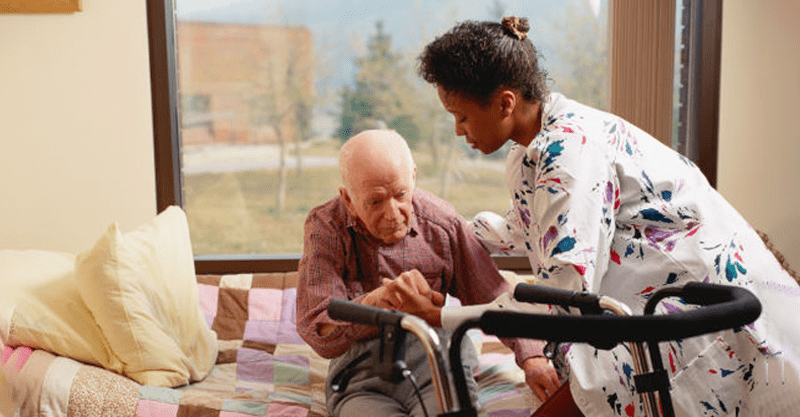
Providing care to someone in their own home is more than a job—it is an opportunity to make a meaningful difference in people’s everyday lives. As the need for senior care, personal assistance, companionship, and home-based support continues to grow, becoming a home care provider can be both a rewarding career and a valuable service to the community.
Whether you want to work independently as a caregiver or establish your own home care agency, understanding the responsibilities, skills, and requirements involved is an important first step.
What Does a Home Care Provider Do?
A home care provider supports individuals who need assistance with everyday activities while allowing them to remain in their own homes.
Depending on your qualifications and the services you plan to offer, responsibilities may include:
- Personal hygiene and grooming assistance
- Bathing and dressing support
- Meal preparation
- Light housekeeping and laundry
- Mobility assistance
- Companionship
- Transportation and errands
- Medication reminders
- Respite support for family caregivers
- Post-hospitalization assistance
- Skilled nursing or healthcare services, where appropriately qualified and licensed
Non-medical home care and skilled home healthcare are different. Skilled clinical services generally require appropriately licensed healthcare professionals and additional regulatory requirements. For example, U.S. Medicare-certified home health agencies must meet federal requirements in addition to applicable state or local licensing requirements.
Why Become a Home Care Provider?
1. Make a Difference in People’s Lives
Home caregivers often become an important part of a client’s daily life. Providing assistance with everyday activities can help people remain comfortable, connected, and independent.
2. Growing Need for Home-Based Support
Many seniors and individuals with disabilities prefer to receive appropriate support at home rather than move to a residential care setting. This creates opportunities for qualified caregivers and home care businesses.
3. Build a Meaningful Career
Home care can be a fulfilling career for people who enjoy helping others. Patience, empathy, communication, and reliability can be just as important as technical skills.
4. Opportunity to Build a Business
Experienced professionals may eventually choose to establish their own home care agency. This can create opportunities to build a team, serve more families, and develop specialized services.
Skills You Need to Become a Home Care Provider
Successful caregivers need more than a willingness to help. Important skills include:
Compassion: Clients may be dealing with aging, illness, disability, or reduced independence. A caring attitude can make a significant difference.
Patience: Everyday activities can take longer for people who need assistance.
Communication: Caregivers need to communicate clearly with clients, families, and other members of the care team.
Reliability: Families need to know that their caregiver will arrive as scheduled and perform responsibilities consistently.
Observation: Caregivers should pay attention to changes in a client’s condition or daily behavior and report appropriate concerns.
Respect: Personal care requires privacy, dignity, and sensitivity.
Training and Qualifications
The qualifications required to become a home care provider vary depending on the country, state, province, and type of services offered.
For non-medical caregiving, requirements may include specific caregiver training, background screening, competency requirements, and other local requirements. For example, some U.S. jurisdictions regulate home care agencies separately from skilled home health agencies, while others have different licensing categories for personal care services.
If you plan to provide nursing, physical therapy, medication administration, or other clinical services, you generally need the appropriate professional qualifications and authorization.
Starting Your Own Home Care Agency
If your goal is to become a home care business owner rather than work as an individual caregiver, there are several important areas to consider.
1. Define Your Services
Decide what type of care you will provide. Options may include:
- Senior home care
- Personal care
- Companion care
- Respite care
- Disability support
- Post-hospitalization assistance
- Homemaker services
- Skilled home healthcare, if properly licensed
Clearly defining your services will help you determine the qualifications, staffing, equipment, policies, and licenses you need.

2. Research Local Regulations
Home care is a regulated industry in many locations. Licensing requirements can vary significantly.
For example, England requires providers carrying out regulated personal care activities to register with the Care Quality Commission, while U.S. states may have their own licensing systems.
Before launching, identify the relevant health department, social care regulator, or licensing authority in your jurisdiction.
3. Create Policies and Procedures
A professional home care agency should have clear procedures covering areas such as:
- Client intake and assessment
- Care planning
- Caregiver responsibilities
- Safeguarding
- Medication-related responsibilities
- Incident reporting
- Emergency procedures
- Complaints
- Confidentiality and records
- Infection prevention
- Staff supervision
Regulators may require evidence that an agency has appropriate policies and procedures before it can operate.
4. Recruit Qualified Caregivers
Your caregivers represent your organization. Recruitment should focus on experience, qualifications, character, communication skills, and reliability.
Depending on local rules, screening may include identity verification, references, background checks, health screening, and competency assessments.
5. Develop Individualized Care Plans
Every client should be treated as an individual.
A care plan can identify the person’s needs, preferences, daily routines, goals, and the specific services the caregiver is expected to provide.
Personalized planning helps caregivers understand their responsibilities and helps families know what to expect.
Building Trust With Clients and Families
Trust is one of the most important parts of home care. Unlike many healthcare settings, caregivers enter a client’s private living environment.
Families want to know that their loved one is safe, respected, and receiving appropriate support.
You can build trust through:
- Consistent communication
- Reliable scheduling
- Professional caregiver conduct
- Transparent pricing
- Appropriate caregiver screening
- Respect for privacy
- Prompt handling of concerns
- Regular review of care plans
Home Care Provider vs. Home Health Provider
Understanding the difference is important when starting a business.
Home care providers commonly focus on non-medical support such as personal care, companionship, meal preparation, household assistance, and daily activities.
Home health providers generally deliver skilled healthcare services such as nursing or therapy through appropriately qualified professionals.
The licensing, staffing, documentation, and regulatory requirements can be substantially different. In the United States, for example, Medicare-certified home health agencies must meet specific federal Conditions of Participation.
Marketing Your Home Care Services
Once your services and regulatory requirements are established, you need to reach families who may benefit from them.
Effective strategies can include:
- Creating a professional website
- Optimizing your website for local searches
- Providing clear information about your services
- Building relationships with healthcare and community organizations
- Developing educational content about senior care
- Encouraging appropriate client reviews and referrals
- Maintaining an active local presence
- Clearly explaining your caregiver qualifications and service areas
Your marketing should focus on education and trust rather than making unrealistic promises about health outcomes.
What Makes a Great Home Care Provider?
A successful home care provider combines business professionalism with genuine compassion.
The strongest providers focus on:
Safety: Clients should receive appropriate care from properly trained staff.
Reliability: Families should be able to depend on scheduled services.
Personalization: Care should reflect the client’s individual needs and preferences.
Communication: Families and caregivers should have clear ways to share information.
Dignity: Clients should always be treated respectfully.
Continuous improvement: Providers should regularly review their services and respond to feedback.
Challenges of Becoming a Home Care Provider
Running a home care service can be rewarding, but it also comes with responsibilities. These may include recruiting and retaining caregivers, managing schedules, meeting regulatory requirements, handling emergencies, maintaining documentation, and responding to changing client needs.
Strong organization, appropriate insurance, sound financial planning, and professional advice can help new providers prepare for these challenges.
A Career With Purpose
Becoming a home care provider gives you the opportunity to support people where they are often most comfortable—their own homes.
Whether you work directly with seniors or build an agency serving multiple families, the work can have a meaningful impact. A dependable caregiver can make everyday activities easier, provide companionship, support independence, and give families greater peace of mind.
Conclusion
Becoming a home care provider can be a rewarding career or business opportunity for people who are passionate about helping others.
Success requires more than compassion. It requires appropriate training, professionalism, careful planning, strong communication, and compliance with the regulations that apply in your location.
If you are considering entering the home care industry, start by identifying the services you want to offer, researching your local requirements, developing a strong care model, and building a team that puts safety, dignity, independence, and compassionate care first.